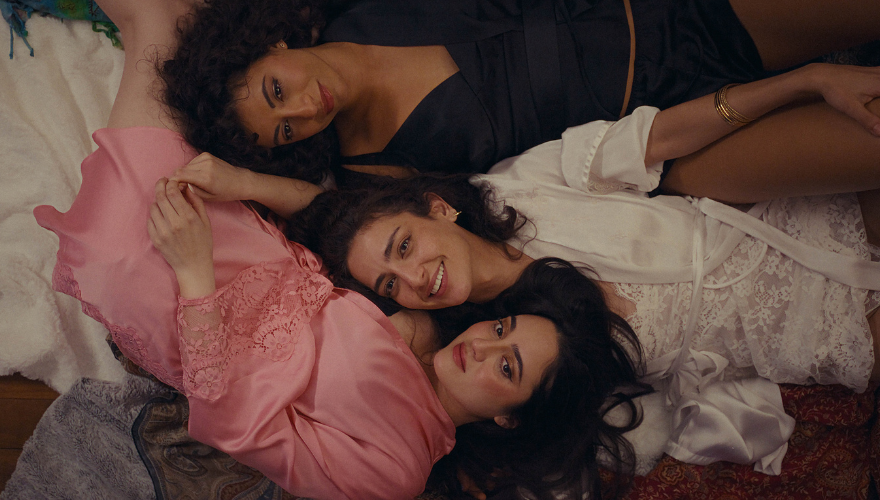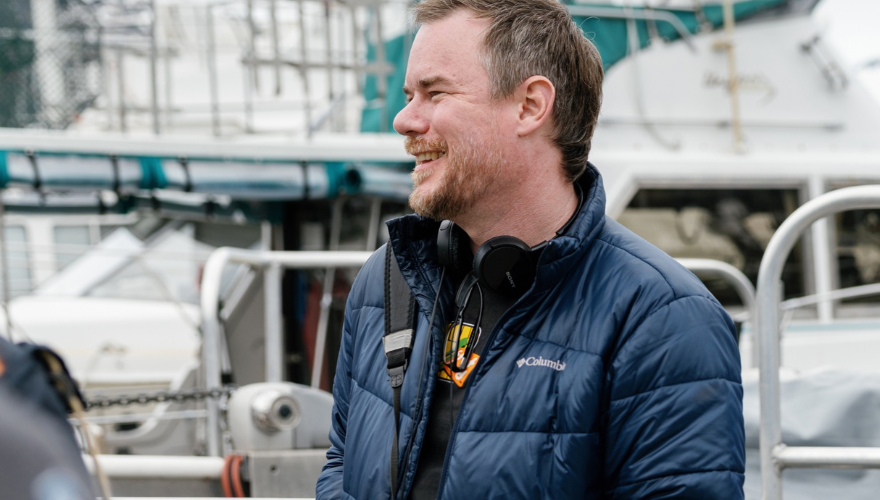


INDIE SPOTLIGHT: Interview with ‘Thinestra’ Co-Stars, Executive Producers and Composers Michelle and Melissa Macedo
The Macedo Sisters discuss their character’s physical and emotional transformation into a monster embodying shame and guilt, their emotional preparation and collaboration, and creating creepy Christmas jingles for the film.
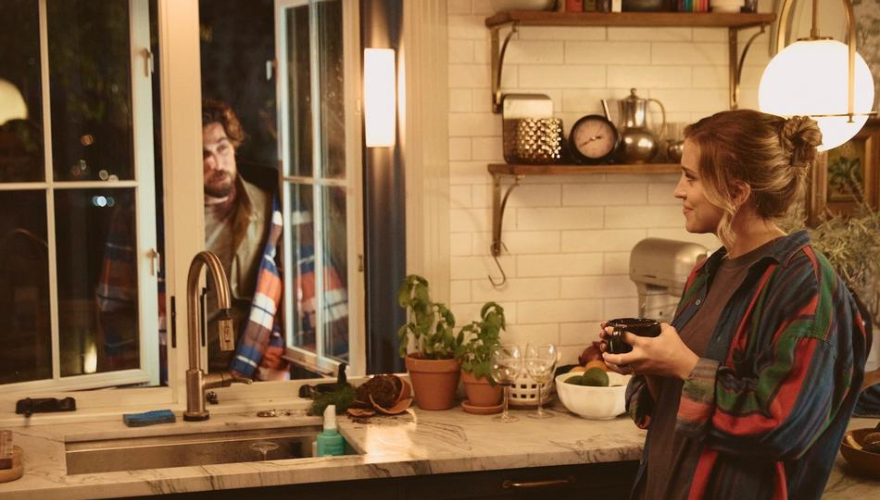
It’s a sweltering Christmas in LA. Penny, plagued by body dysmorphia and cycles of binge eating, impulsively takes Thinestra, a mysterious weight-loss drug. That night, she violently expels masses of fat in a painful and grotesque purge. But her discarded flesh returns…and like the Hyde to Penny’s Jekyll, Penelope is born. As her ravenous dopplegänger wreaks bloody havoc, Penny struggles to regain control. Can she overcome her hunger before it’s too late?
An embarrassment of riches is an understatement when you have the lucky opportunity to work with the incredibly creative and talented multi-hyphenate twin sisters, Michelle and Melissa Macedo. The duo starred in, executive produced and composed the original score for Thinestra, the latest body horror written by Avra Fox-Lerner and directed by Nathan Hertz.
In the conversation that follows with the Macedo Sisters, they discuss their character’s physical and emotional transformation into a monster embodying shame and guilt, their emotional preparation and collaboration with both each other and their director, and creating creepy Christmas jingles for the film.
This interview has been edited for content and clarity.
Sadie Dean: What initially attracted you to these roles, not only as actors, but as producers and also composers?
Melissa Macedo: I feel like one thing that was incredibly interesting to both of us, but especially me, was using body horror as a vehicle for an eating disorder. Like showing the eating disorder and what it really is, as opposed to, no offense, but The Whale, where it's so extreme and that's what they were trying to do. But this was the day-to-day mental chatter, and it felt very real... of food talk in your mind. And also, just how obsessive and all-encompassing it could be.
The character that becomes the monster, which is my character, I thought it was really interesting that she kind of was the personification of the shame and guilt that Penny felt going through all this, like gaining weight, losing weight, up and down, and it takes place during the holidays. So, it's like a binge culture, and there's constantly food around - Thanksgiving is literally you just eat... that's the holiday.
I just thought it was really interesting way to explore that women's bodies, but also men's bodies... just this struggle that to me, it felt like a very accurate representation of what it's like.
Sadie: Michelle, tapping into that duality of this character and that emotional state, what were those conversations that the two of you were having? How did you play into that vulnerability, that authenticity, and then throwing that all into this horror lens?
Michelle Macedo: Yeah, totally. That was really interesting, especially when I first read the script, I was like, 'Oh man, OK, how are we going to do this?' And in preparation for it, and it was great, because the director, Nathan Hertz, we all had a dialogue through the entire preparation of it.
And Melissa and I, when we do work together, we have never worked together and played the same role - so that was very interesting. And a lot of being an actor in LA, we're twins, we know all the twin actors in LA too, and they're great, but usually it's like, 'be exactly the same.' And here it's taking one person and really exploring just the day to day of one human being, all of the self-sabotaging thoughts, everything, all of the beating up on herself, like all of those things, the emotional roller coaster of being her.
We prepared together. We both went to a movement coach who was great. We prepared like who the monster was, and basically really talked a lot. I mean, obviously we know each other very well, and have known each other our whole lives, so we really had a shorthand, and we were lucky to have that, in terms of being able to explore the full depth of the shame, which is where Melissa goes, in the external, in the showing of the shame. And my shame and guilt is much more internal.
But at the same time, it's what if our shame was this external monster, and how, in a way, that's freeing, because it's like as people in this society, as women in this society, it's like you're just supposed to tone it down, because the thing you can't look is crazy… and so to muffle it and suffocate… everyone's just human, and it's got to come out, and it's going to otherwise… you turn in on yourself, and it's not good for anyone. It was very emotional. We were on set every day for each other as well, even when we weren't working.
Something to look out for that people miss that's one of my favorite details, is that they got contact lenses custom made to be donuts. So, if you look closely into her eyes…
Melissa: Yeah, when the transformation happens.
Sadie: You’re both wearing many multiple creative hats. With horror, it's such a cool genre in that there's no confines. And having that freedom with music, must’ve been a great creative experience.
Melissa: One thing that was cool that I really liked that we did was that we did creepy versions of Christmas songs that were in the movie. I have always thought that Christmas is kind of a creepy time. There's a lot of joy, and there's all this pressure when you're around family, and it's like guilt and all this stuff…
Michelle: And darkness to it.
Melissa: And darkness. We just in general, also, love that kind of music, love the darkness of it. And, yeah, we were really happy with that. We worked with Jenga Productions, who are great. And to switch into the producer role, with indie film, you just do literally everything you can. The amount of hats that different people had on set were definitely more. So, I think that was really all hands-on deck. And we really wanted to be produce a story that we believed strongly about and that we thought was a really cool thing to put out into the world.
Sadie: Any advice for independent producers, actors, musicians, composers, all the above - anything you've learned from this experience, from this movie that you're going to be carrying with you to the next project?
Michelle: Well, a takeaway from this film, I hope that people will have more compassion for themselves, or at least take note of the way they're speaking to themselves. And I don't think anybody, may be a rare few like thrive under constant self-criticism. And so just a little more forgiveness in that, and forgiveness in the in the pursuit of perfectionism, which just isn't real.
And also, if you're on set, if you're in any creative endeavor, it's a collaboration, and something will go wrong, and that's not a reason to be rude or mean to anyone, just stay kind because…
Melissa: Not that people were rude on this set.
Michelle: No, no, just in general, it's not life or death. It feels like life or death. And a lot of people can make it feel like life or death, but it’s going to be OK, and try to stay kind.
Melissa: You learn so much on every project. And I think one thing is that you kind of just have to do it, you just have to move forward, even when it's a really big uphill battle, you have to bet on yourself.
Sadie: Do you see yourselves producing more now that you've done it? Because this is kind of your first big hurrah, right?
Michelle: Yeah, for sure, definitely. It's really cool. Going around to all these film festivals like Sitges, Raindance and Flickers, we met a really cool group of female producers that I never would have met, and they're all so supportive of each other… I love the energy of it all.
Thinestra is now available on VOD.