

‘Prolific Producer’ Michalina Scorzelli – What She Looks for in a Script
Michalina Scorzelli discusses what she looks for in a script, how she approaches her job as a producer, and the one very important question she always asks.
We would all love to write that perfect script for the Hollywood big leagues, with superstar actors and big budgets. Realistically, few if any of us here will get that chance. The much more likely scenario is to get noticed by a producer working on more moderate budget levels and putting their nose to the grindstone to make the best little films and keep making them. The perspective of a producer working at that level, seeing what they are looking for in your script and how to make your work attractive for their next project is a much more reachable goal for those striving to be working screenwriters. If this sounds good to you, then this is the interview you’ll want to read.
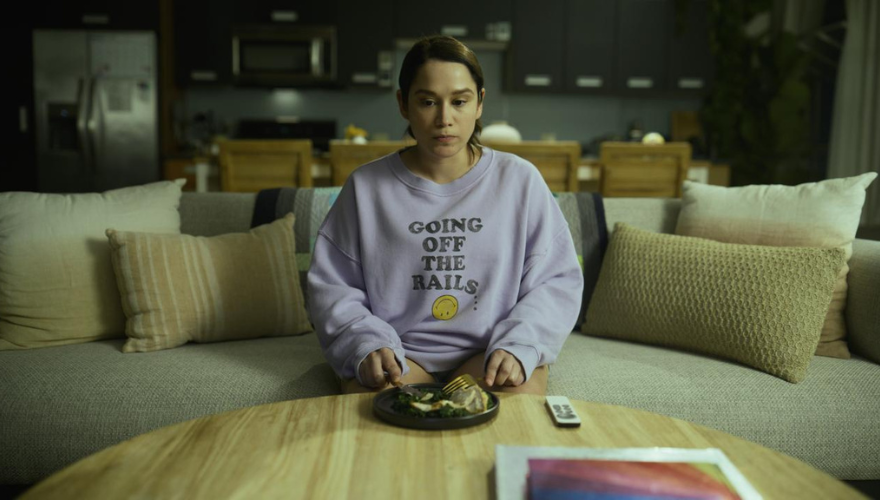
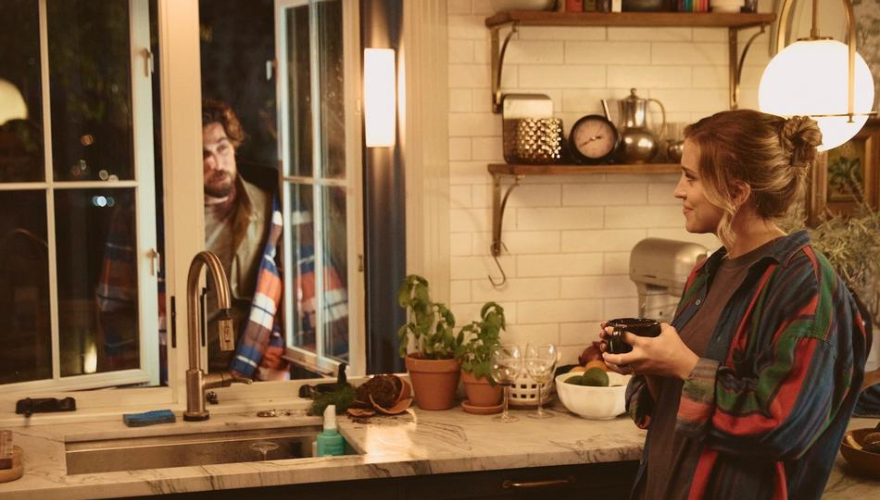
Michalina Scorzelli is just such a producer. She’s an active and very busy producer with a constant slew of released or coming soon films. There’s the Seann Willam Scott starrer horror/slasher film Dolly in world wide release now, Jitters, also a horror, coming soon. Then in the wings comes Devoted, a horror/thriller. And recently released films include Bad Man, a crime comedy now streaming (also starring Seann William Scott with Rob Riggle) and Werewolf Game, a horror. All within the last year.
Michalina has been a longtime, personal friend whose acting and producing career I’ve followed and applauded. When I reached out to her for this article on how she approaches her job on the multitudinous projects under her belt, I referred to her as a ‘prolific producer’. This stymied her.
‘Prolific Producer?’ Really?
“When you said I was a ‘prolific’ producer, I was like, what? Honestly, I had to look it up because I’ve been called that a lot recently. Whatever it is, it’s too much. I’m not that. I can take it. But it’s that organic growth of what your career has given you. You just kind of fall into all these different opportunities and you go for it. I looked up the word prolific, as silly as it sounds, it just sounds too fancy to be me. So I looked it up. I had to go on IMDb. I was like, cool, I have 17 projects since 2021.”
That, my friends, is the very definition of prolific. How did she do it, and how did she not even realize that the “fancy” word was an appropriate summary of what she’s done recently?
“I didn't realize the body of work I was building because I was always too busy building it. My head is down and I'm working and I'm looking for what is next. I'm open to what the universe is showing you. Because I do believe it does show you different roads. Often people don't pay attention to that or fight it because they think that their life looks a certain way or their career looks a certain way or this is how they want their career to look like. But I think if you get rid of that and you're open to what's in front of you, then that's what you're supposed to do. We, as artists, beat our heads over what we should do. What's the right road? Everybody's road is different. There's not a right or wrong road. And when I look at my different projects, they’re very versatile. I mean, I have dramas and I have horrors and I have comedies and I have action. And when you look at all of that, it never was a planned thing except for this is what's next for me.”
What do you look for when choosing a script?
Michalina Scorzelli: As things are now, I'm getting a lot of scripts. How do I choose them? I look at what's in front of me and I don't beat my head about finding THE thing. There's a couple of things, especially as I've been doing this for so long, certain things have floated to the top of what's important to me. Number one thing that I look at, believe it or not, when I get a script, unfortunately for writers, I first look at the page count.
That comes with experience and going, ‘Oh my gosh, this is 320 pages.’ This must be a new writer. They're not ready yet. It may not be fair, but I have a lot and I want to accomplish a lot. So I don't have the time to start from there. I am looking for things that have a reasonable page count for that genre. I like to see a comedy or horror come in under an hour and a half. That's my personal taste. The way we get information today, our phones and the stories, I think people have a shorter attention span.
I'm an artist, but I'm also a business person, right? So always, always putting it in context of is it marketable? Is it a good story? Of course story is everything, but realistically, as a producer, I have to read it and have a plan. This is where I think that a lot of producers- I don’t want to say fail, but maybe lose a little of their ground or momentum in a project. When I take on a project before I say yes and sign the contract, I have a plan to where it's being distributed. I know where we're going. If I don't have a clear vision for that project, I will not take it. But if I read it, I love the story, I immediately go into producer mode. How much money is it going to take? Where am I going to shoot it? What festivals? Who's our audience and where do I see it living when it's completed with those things?
And that's been working out. I've been getting great distribution deals. I always say, whether it's acting or writing or producing or directing or any of the arts, you can't cross that finish line unless you know where it is. I always have to have that finish line in front of me. That's where I'm going to be. That's where I want to be. So now everything I do is going to help me to get there.
Christopher Schiller: So what are the signs you see that tell you that there is a finish line available?
MS: I'm all over the board with my choices of material. At the end of the day- whether it's a horror, whether it's a drama, whether it's an action- is that it's a good script and that I think it's a story that people will be entertained by and enjoy. So it's easy for me because I read it and I'm like, OK, so did I enjoy it? Do I think others would enjoy it? And is it a viable thing in the market? I hate to talk about that. That's the important part. You know, they call it show business. And if we don't do the business, our art, nobody sees it. I make art for people to see and share and learn from or have their perspective shifted or just be entertained.
Sometimes it's just that. It's not always so deep. Sometimes it just isn't entertaining. Will it be a fun ride for the audience? And an unbiased perspective on that, will it be entertaining for the audience? Not just they'll enjoy it because my grandma read it and she loved it. It's a total reality check. And another thing Chris is, it's really hard to read good scripts. Now I'm in a circle of friends, producers looking for things to produce and we read a lot of scripts, not a lot of good scripts.
“Not all writers are writers.”
MS: You know, I'm an actor first and so many people I meet say, ‘Oh, I watch TV, I can be an actor.’ It's so insulting because it is a craft. I should have my doctorate in acting because I've taken so many classes and studied so much. It's definitely a craft and, and I respect it as that.
It's the same thing I find with writers. All the scripts that are written are not by writers. I wrote a short. It did really well. I won awards for it. I was very careful to say I'm not a writer. I'm a storyteller. Because I wouldn't want to take away the skilled craft that writing is. I'm not that, I'm just a storyteller. So I think today so many people are like, oh, I can write. I'm going to write a script. You can buy the software and write, but not all writers are writers. You can extend that to all filmmakers are not filmmakers. And actors. So, I have such a respect for all of those that are.
How did you get started producing?
MS: The very first independent film that I did, I acted in and I produced. I didn't even know what that meant at the time. I just knew the director was like, we need a hotel. We need this. I was just an actor. And I did all those things and then, oh, now I get the label of producer. And that went on to win best debut feature film at Raindance. I got very lucky with that.
What I learned from that is it was very important for me as an actor, before I was a producer, to learn. And I give everybody this advice because nobody wants to be an extra and nobody wants to be a PA. I did all of the things because I thought if I knew everybody's job on set, it would make me that much better because I would know what's expected of me. I would know all the pieces.
And I always recommend to everybody- even writers, even producers, even directors- do other jobs. I can comfortably now go on a set, I can do anybody's jobs. I will haul those lights around. I will help with the camera. I will do all the things That is today what helps you to be successful in this business. Wear more than one hat. Because it's so hard. But if you can do all the things, boy, you build up your value. So I think that's good advice for everybody in the entertainment industry. If you get a job to do something out of your lane, do it. It's going to make you better, going to make you smarter or going to make you more valuable.
What’s your particular definition for what you do as a producer?
MS: That's a great question because I'm often asked what does a producer do and the umbrella of what falls under that title: producer, associate producer, co-producer, executive producer, all that goes under that umbrella. I’m simple. I always say a producer makes shit happen. You make things happen. But then I went from not knowing what a producer is to now I am in the Producers Guild. That was a big thing for me getting in the Producers Guild because they really vet you. Months of calling everybody that worked with you. It's a legit title to be proud of because of the vetting process that they do.
I would describe myself as a boots on the ground producer. I do everything. I'm the producer who will take it from the script to hiring the crew to running the set and then to navigating film festivals and all the way through distribution. Sometimes people think controlling is a bad word. It's not necessarily a bad work. I want to be in control as far as having a good strategy and setting it up for success. So if I start with it, I want to finish with it because now my name is on it and I want to make sure it's being presented to the world the best it can be. It's like a baby. You grow them, you teach them, you put them out in the world and hope for the best. Sometimes it goes that easy. Sometimes it doesn't. There are certainly always challenges.
The very important question that always takes people aback
MS: When I'm hiring crew or considering coming on a team, I always ask this question and it always takes people aback. I don't care if it's a PA, I don't care if it's a lighting person, I don't care if it's the writer, the director, I don't care who it is. I always ask a very important question. “If we move forward, what would be your expectation of me?” I don't know why people don't ask that.
It's a very important question because that's where a lot of relationships fall apart. I don't let anybody get off of that question. Everybody has an expectation of how they see things going. If they say they don't, they're not being truthful. When they're taken aback, I would say, you can have a couple minutes, but that's an important question to me because I can't live up to your expectations unless I know what they are. I'm looking to build a relationship of success and I can't make you happy unless I know what that button is. And the most common answer is communication.
The importance of a great team
MS: I want to create art. I want to have fun doing it. I want to do it with good human beings and because it's hard making movies. So if you can pick your team and choose who you work with, it helps. It's still hard, but it's much better to be in the trenches with people you like, who are going to support you.
Because if you have a great team, the product's going to come out better just because it shows on screen. If people get along, they do the extra mile for each other. If they don't, they do what's the least amount expected. It's been my experience.
I had the blessing of being a part of something where when the actors were done they didn't want to leave. They were SAG actors and they asked, ‘Do mind if we hang around?’ because they just loved being in that space of collaboration and creativity and being taken care of. I’m really sensitive to appreciating everybody and demanding that others on the set appreciate everybody. Our PAs are treated the same as our talent. And I want them to appreciate because you know what? You need all the people. You can't do it without all the people.
Recently there was an article with Matt Damon and Ben Affleck. On their latest film they did this groundbreaking thing where they gave everybody in the crew a piece of the back end. I've already done that. I felt that because it was an independent film and we didn't have a lot of money, we were paying minimum rates, how can I make them feel appreciated, skin in the game, this is their baby without that money to pay them? So I gave them all back end. Everybody in our crew got back end.
So hopefully it's successful, but they worked knowing that if it is successful, they get to celebrate that. I'm curious to see how that works out, but it did make for a really nice set of people feeling appreciated, feeling like they’ve skin in the game. It's surprising how few productions look at it that way.
The lower budget happy place
MS: All these films that I've done with all these stars, these are low-budget films, they're indie films. I don't aspire to do 20 million dollar films, to be honest. And it's two-fold. It's one, I enjoy the grittiness of doing indie films. I love it. I think you become more creative when you have to find solutions that money can't buy. Makes you think differently. You think differently and you figure it out. And from an investor's point of view, you're looking at these big studio films that aren't getting their money back. I can say to you, I'm getting my money back. So I feel like I'm going to say like three million and under. I could just do those for the rest of my life and be thrilled. Thrilled.
Dolly is now in Theaters.
Jitters hits the screens releases on UK digital platforms on March 16, 2026 and US digital on March 17, 2026.

Christopher Schiller is a NY transactional entertainment attorney who counts many independent filmmakers and writers among his diverse client base. He has an extensive personal history in production and screenwriting experience which benefits him in translating between “legalese” and the language of the creatives. The material he provides here is extremely general in application and therefore should never be taken as legal advice for a specific need. Always consult a knowledgeable attorney for your own legal issues. Because, legally speaking, it depends... always on the particular specifics in each case. Follow Chris on Twitter @chrisschiller or through his website.