

Sundance NEXT 2026
Where Cinema Gets Weird, Wild, and Wonderfully Alive
There is a particular kind of film that Sundance has always made room for. Not the prestige play. Not the polished awards contender. Not the tidy indie drama designed to make you cry in exactly the right places. I am talking about the films that feel like they were made in a fever dream, the ones that do not ask for permission, the ones that arrive like a strange new friend at a party and immediately start telling you the most unhinged story you have ever heard.
That is the spirit of Sundance’s NEXT section.
Originally designed as a home for boundary pushing storytellers working with limited resources but limitless imagination, NEXT has evolved into one of the festival’s most exciting curations. It is where emerging filmmakers get to swing hard, experiment with form, and build entire worlds without worrying about conventional structure or industry expectations. These are films that often feel handmade, sometimes messy, and frequently exhilarating. They thrive on risk. They embrace discomfort. They are often more alive than anything else playing at the festival because they have not been sanded down into something safe.
NEXT is also where Sundance reminds you that innovation is not always about technology. Sometimes it is about tone. Sometimes it is about refusing to give the audience what they think they want. Sometimes it is simply about a filmmaker trusting their instincts enough to make something deeply personal, even if it is strange, even if it is transgressive, even if it is hard to categorize.
This year’s NEXT lineup was a perfect representation of why this section continues to be one of Sundance’s best offerings. The films I was fortunate enough to see were wildly different from one another, yet they all shared the same pulse. They were bold, emotionally honest, and deeply committed to their own creative language. Whether it was Scottish folklore comedy, animated documentary grief therapy, a political meditation on Indigenous repatriation, a Tokyo nightmare drenched in neon despair, or an erotic thriller set inside a nursing home, these films did not just play on screen.
They lived.
Here are the NEXT films that stayed with me long after the festival ended.
The Incomer (Winner of the NEXT Innovator Award)
Written and Directed by Louis Paxton
A Folktale About Letting the World In
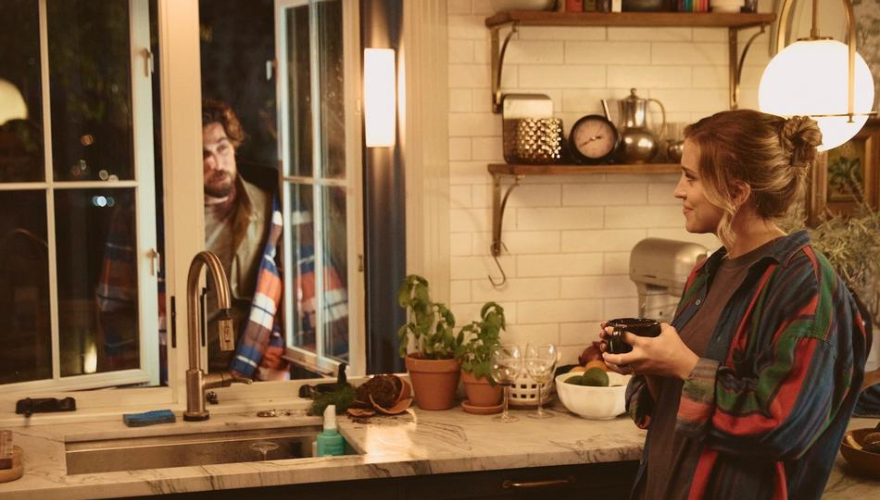
On a remote Scottish isle, siblings Isla and Sandy hunt birds, talk to mythical beings, and spend their days fighting off outsiders. Their lives change when Daniel, an awkward government official, arrives with a mandate to relocate them. That simple setup becomes the foundation for Louis Paxton’s delightful, uproariously funny, and deeply heartfelt first feature, a film that sneaks up on you with warmth, empathy, and a surprising emotional punch.
Relocating a pair of siblings, as The Incomer quickly establishes, is easier said than done. Isla and Sandy have lived in isolation for as long as they can remember, mistrustful of mainland folk and fiercely protective of their island. They are not interested in compromise, conversation, or paperwork. When Daniel arrives, their first instinct is not polite resistance but something far more literal and aggressive. The film plays these early confrontations for big laughs, and Paxton’s deadpan humor lands beautifully without ever feeling forced.
What makes The Incomer such a joy is how confidently it leans into its own oddness. This is a comedic inflection of Scottish island folklore, filled with fantastical creatures, animated flourishes, and stories passed down like sacred scripture. Paxton draws us into this eclectic vision through formal inventiveness and a tone that feels both playful and sincere. It is whimsical without being precious, absurd without being hollow.
Gayle Rankin and Grant O’Rourke are phenomenal as Isla and Sandy. Their sibling dynamic feels lived in, messy, and affectionate beneath the hostility. Isla is rigid, commanding, and deeply committed to the rules that have kept them alive. Sandy is gentler, more curious, and quietly yearning for something beyond the boundaries of the island. Together, they create a duo that is endlessly funny and unexpectedly moving. Their bond is the emotional spine of the film, grounding the folklore and fantasy in something achingly human.
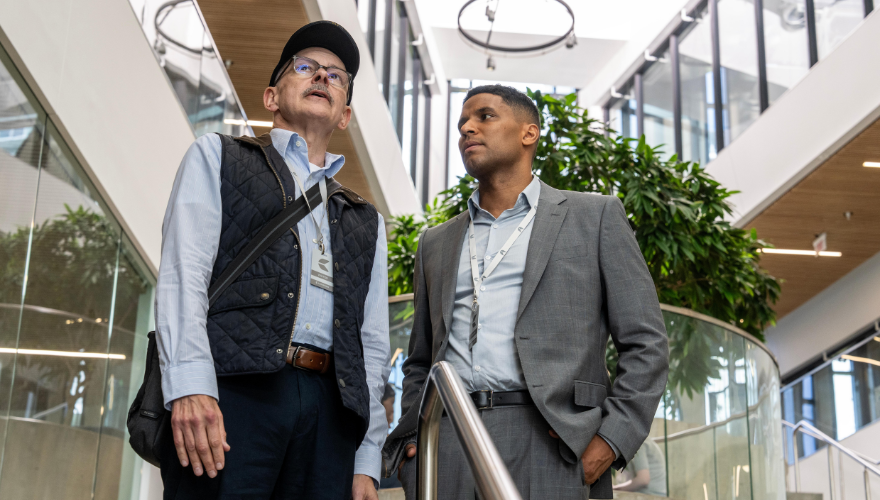
Domhnall Gleeson is perfectly cast as Daniel, the titular incomer. Awkward, polite to a fault, and wildly out of place, he initially feels like a punchline waiting to happen. But Gleeson brings a warmth and vulnerability that allows Daniel to slowly become more than just an object of ridicule. As days pass and an initiation ritual unfolds, there is a thaw. The siblings share their lore and their fears, while Daniel offers strange mainland virtues like avocados and the internet. These exchanges are consistently hilarious, but they also open the door to something more poignant.
At its core, The Incomer is about belonging. All three characters have experienced isolation, loss, and loneliness in different ways. As their guards lower, the film gently explores how connection can feel both terrifying and liberating. Isolation, as the film suggests, can become a twisted sort of comfort. It protects you from harm, but it also limits how full your world can be.
If The Ballad of Wallis Island and The Banshees of Inisherin had a quirky baby, it would look something like this. Hugely enjoyable and deeply humane, The Incomer announces Louis Paxton as a filmmaker to watch.
TheyDream (Winner of NEXT Special Jury Award for Creative Expression)
Directed by William David Caballero
Written by William David Caballero, Erin Ploss Campoamor, and Elaine Del Valle
There are documentaries that feel like informative essays, and then there are documentaries that feel like someone handing you their heart and trusting you not to drop it. TheyDream belongs to the second category.
After twenty years of chronicling his Puerto Rican family, director William David Caballero turns his lens toward the devastating losses that have shaped his mother Milly’s life. Through tears and laughter, they craft animations that bring their loved ones back to life, discovering that every act of creation is also an act of letting go.
It is an incredibly simple concept on paper. In execution, it becomes one of the most emotionally overwhelming and formally inventive films I saw at Sundance this year.
Caballero works with miniatures, motion capture technology, and layered animation techniques to transform old home movies and recorded conversations into something that feels like a living memory palace. The animated sequences are sometimes whimsical, sometimes haunting, and often devastating in their intimacy. There is a childlike wonder to the visuals, but the emotional weight underneath is adult grief in its rawest form.
What struck me most is how openly Caballero lets us see the process. This is not a film that hides its mechanics. It embraces them. We watch the art being made, watch the scenes being constructed, watch the emotional labor behind the reconstruction of memory. The result is a documentary that feels like both a tribute and a coping mechanism.
Milly becomes the soul of the film. She is not framed as a saint or a martyr, but as someone who has spent most of her life taking care of others, carrying the kind of emotional responsibility that quietly breaks people over time. Watching her confront loss is painful. Watching her find moments of joy through storytelling is even more powerful.
At one point, I found myself thinking about how desperately I wished I could animate, not for career reasons, but for survival reasons. Imagine being able to bring back a loved one for just a few seconds, to hear their voice again, to see them move again, even if it is through pixels and handmade models.
TheyDream is as personal as documentary filmmaking can get, yet it somehow becomes universal. It made me want to call my mother. It made me dig through old voicemails. It made me grateful and devastated at the same time.
Caballero was once told by a professor that no one would ever want to see a film about his family. TheyDream is proof that the opposite is true. Sometimes the most specific stories are the ones that hit the deepest.
Aanikoobijigan [ancestor/great-grandparent/great-grandchild]
(Winner of the Audience Award: NEXT presented by Adobe)
Directed by Adam Khalil and Zack Khalil
Some documentaries educate you. Some documentaries provoke you. And then there are documentaries that leave you buzzing with rage and reverence, because they reveal a truth so horrifying you cannot believe it has been allowed to continue for this long.
Aanikoobijigan [ancestor/great-grandparent/great-grandchild] is one of those films.
Directed by brothers Adam Khalil and Zack Khalil, the documentary follows the emotional and vital work of MACPRA, the Michigan Anishinaabek Cultural Preservation and Repatriation Alliance, a group of repatriation specialists representing all Michigan tribes. Their mission is both sacred and infuriatingly complicated: to return Indigenous human remains and funerary objects from museums, libraries, and archives, and bring them back home where they can be properly buried.
The film is not just an examination of repatriation. It is an indictment. It lays bare the grotesque history of how Indigenous bodies were treated as artifacts, stolen and stored in cardboard boxes under the guise of science and scholarship. It exposes the colonial logic that made this possible, and the institutional cowardice that continues to delay justice.
What makes Aanikoobijigan extraordinary is its formal approach. It is not satisfied with a standard documentary structure. It moves between vérité portraits, archival material, spiritual meditations, and experimental flourishes that suggest time itself is bending. Ancestors are framed as present, not past. The land is not a backdrop, but a living entity that remembers.
The documentary is calm in its tone, but furious in its intent. It is respectful, but unflinching. The Khalils understand that the violence here is not metaphorical. It is literal. It is ongoing. And it is supported by institutions that still hide behind bureaucracy and academic neutrality.
There are moments when the film’s experimental elements become breathtaking. The best sequences feel like the documentary is briefly transcending its own form, allowing the audience to feel the spiritual weight of what it means to be stolen from the earth.
The work MACPRA is doing is heroic, and the film treats it with the reverence it deserves. Aanikoobijigan does not just document a fight for justice. It reminds you that returning what was taken is not charity. It is obligation.
This is one of the most important documentaries I saw at Sundance this year.
Burn
Written and Directed by Makoto Nagahisa
Makoto Nagahisa does not make films. He detonates them.
Following his electric Sundance breakout We Are Little Zombies, Nagahisa returns with Burn, a film that feels like a neon hallucination soaked in grief, rage, and desperation. When runaway teen Ju Ju is embraced by a tribe of misfit youths in Kabukicho, she finds belonging for the first time, until betrayal and despair twist her haven into a prison, leaving her with one way to take back control.
Burn is an extreme juxtaposition of formal radiance and narrative dread. It is visually stunning in a way that almost feels aggressive. Every frame is drenched in color, movement, and sensory overload, as if the film itself is trying to seduce you into the same trap its protagonist is falling into.
Nana Mori is fearless as Ju Ju. She carries the film with a performance that swings between vulnerability and feral intensity. You believe every second of her hunger for love, for community, for some kind of escape from whatever pain she is running from.
Nagahisa builds Tokyo as a beautifully rotten labyrinth, a playground that quickly becomes a nightmare. The film initially feels like an ultra-stylized youth drama, almost like a Japanese Euphoria, until it gradually mutates into something darker, stranger, and harder to classify. At times, it leans into horror imagery and surreal nightmares that make the experience feel like you are watching trauma physically manifest on screen.
Burn is not a clean film. It is messy, punishing, and emotionally unrelenting. It will absolutely alienate some viewers. There were moments where the story started to unravel for me, especially as it pushes further into its nihilistic spiral. But even when the narrative loses its footing, the craft remains jaw dropping.
The editing is wild. The camerawork feels possessed. The sound design rattles your bones. There are sequences here that I genuinely cannot compare to anything else I have seen in a live action film.
Burn is not for everyone. But for those willing to surrender to its chaos, it is unforgettable. It is a film that understands how trauma repeats itself, how youth culture can become both refuge and poison, and how the desire to belong can turn into a form of self-destruction.
This is the kind of film NEXT exists for.
Night Nurse
Written and Directed by Georgia Bernstein
Some debuts announce a filmmaker. Night Nurse announces an entire worldview.
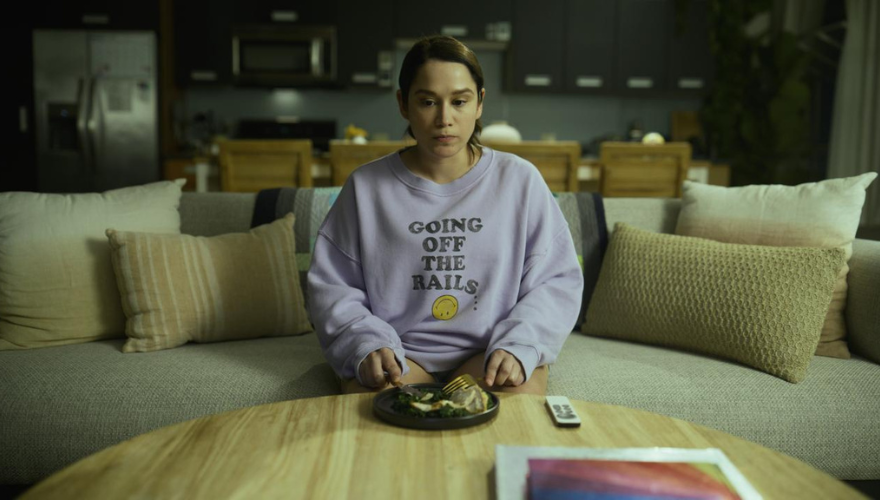
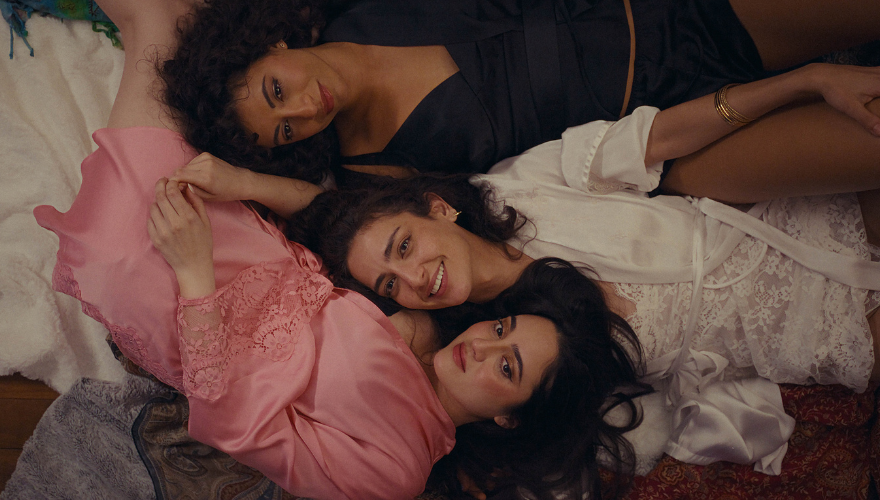
Georgia Bernstein’s first feature is a psychosexual thriller set inside an idyllic retirement community, where scam calls, loneliness, and erotic obsession collide. A starry-eyed young nurse named Eleni becomes entangled with her mysterious patient Douglas, and what begins as curiosity gradually turns into something far more dangerous.
From its opening moments, Night Nurse is drenched in unease. It lives in that liminal space where intimacy and threat feel inseparable, where desire does not arrive cleanly, but crawls in sideways, disguised as care.
Cemre Paksoy is phenomenal as Eleni, giving a performance that is both deeply sympathetic and quietly unnerving. She plays Eleni as someone who is not necessarily naive, but starving. Starving for purpose, for connection, for something that makes her feel needed. And that hunger becomes the film’s central engine.
Bruce McKenzie is equally compelling as Douglas, a man who may be a dementia patient, may be a manipulator, may be both. Bernstein never allows the audience the comfort of certainty, and that ambiguity becomes the film’s greatest weapon.
In our interview, Bernstein spoke about how the film was born from the end of a long relationship where caregiving and codependency had become consuming. That emotional foundation is all over the film. Night Nurse is not simply about taboo attraction. It is about the terrifying power of being needed, and how devotion can transform into obsession without you realizing it.
Bernstein also described nurses as culturally eroticized figures, precisely because vulnerability and desire are so deeply entangled. Her decision to place the story in a nursing home is brilliant, because it immediately destabilizes the familiar fantasy. The age gap forces the audience to interrogate their own discomfort, not through cheap shock, but through genuine psychological tension.
Visually, the film is gorgeous. Shot largely on a dolly, the camera glides with a heavy steadiness, creating a sense of inevitability, as if Eleni is being pulled deeper into something she cannot stop. Bernstein described wanting the setting to feel subtly unmoored and stuck in time, inspired by her grandmother’s house where the film was shot, and you can feel that texture in every hallway and every dimly lit room.
The score is another standout. Bernstein mentioned that it was performed live to picture, and it shows. The music feels pulsing and looping, like a recurring thought you cannot escape. It creates a kind of suburban vertigo that makes the film feel hypnotic, delicate, and quietly nauseating.
Night Nurse does not offer easy moral answers. Bernstein deliberately pushes away from clear binaries, and that refusal to judge her characters is what makes the film so bold. It is erotic, yes, but it is also deeply sad. It is a film about loneliness, about manipulation, and about the terrifying thin line between care and compulsion.
This is one of the strongest Sundance debuts I have seen in years. Night Nurse is unsettling, intelligent, and deeply atmospheric, the kind of film that lingers in your head long after the credits roll.
Georgia Bernstein is absolutely a filmmaker to watch.
Sundance NEXT continues to be one of the festival’s most vital sections because it is not interested in playing the game. These films are not designed to be liked. They are designed to be felt. They take risks, sometimes to the point of self-destruction, but even then, they leave you with something real.
And in an industry increasingly obsessed with algorithms, franchises, and manufactured relevance, that kind of fearless originality feels like oxygen.