

‘Ready or Not 2: Here I Come’ (SXSW 2026 Headliner) Review
The Bride Returns for a Bigger Game That Somehow Feels Smaller
Here is the thing about lightning. You cannot manufacture it. You can build the same bottle, fill it with the same ingredients, shake it in the same way, and still end up with something that feels like a careful reproduction rather than the real thing. Ready or Not 2: Here I Come is a careful reproduction. It is competent, occasionally fun, and almost entirely unnecessary, which is a shame given how much everyone involved is clearly trying.
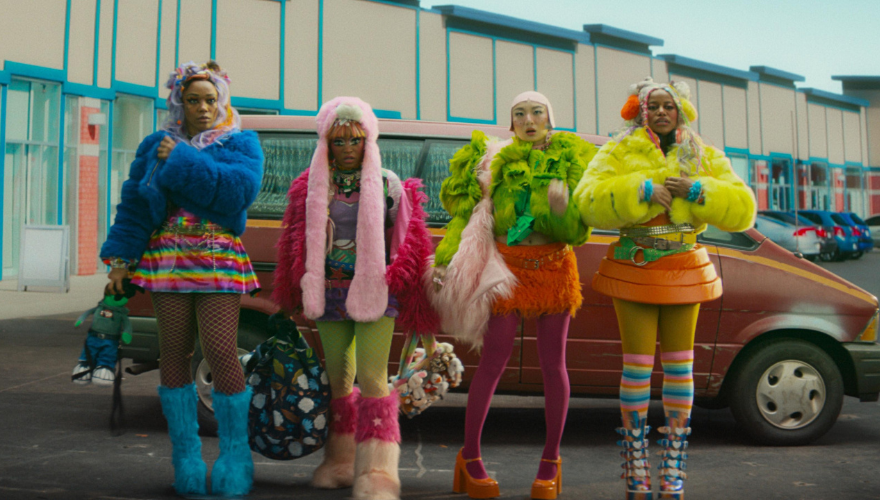
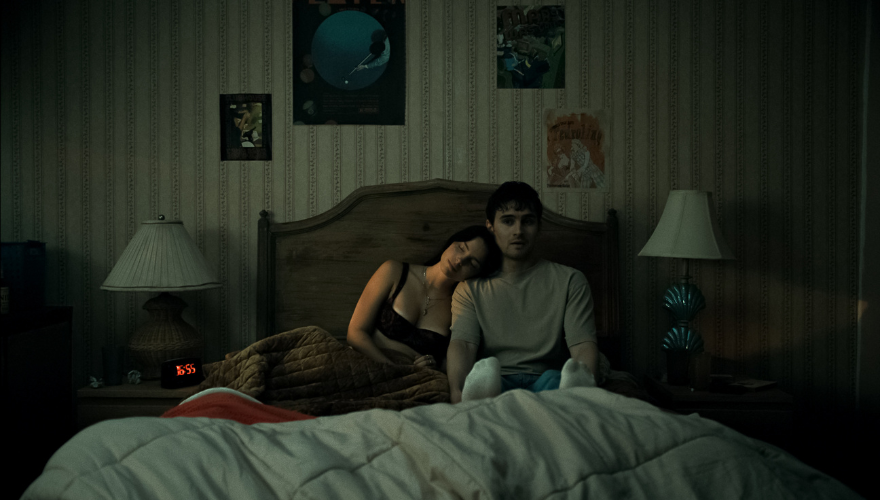
Matt Bettinelli-Olpin and Tyler Gillett pick up almost literally where the 2019 original left off. Grace (Samara Weaving) is standing in the ruins of the Le Domas estate, cigarette in hand, looking like a woman who has earned a very long nap. Before she can catch her breath, she discovers the game is not over. It has expanded. There is a council. There are rival families. There is a throne up for grabs. And her estranged sister Faith (Kathryn Newton) has been pulled into the chaos as Grace's emergency contact turned reluctant partner in survival.
The original Ready or Not worked because it was elegant in its cruelty. One woman. One family. One night. One increasingly blood-soaked wedding dress. The premise was clean and the tension was relentless, and the film wore its class critique lightly enough that it never interrupted the fun. The sequel, written again by Guy Busick and R. Christopher Murphy, attempts to do what so many sequels attempt: expand the mythology. The result is a John Wick style lore dump that clogs the engine at precisely the moments when the film should be accelerating.
There is only so much world-building that a movie like this can sustain before it starts to feel like homework. The High Table has arrived in a wedding dress, and it is not a good fit. The rules pile up. The exceptions to the rules pile up faster. Every time the film builds genuine momentum, someone sits down to explain how the council works, who the families are, what the stakes mean. The original never needed to explain anything because its premise was so primal. This one explains so much that it begins to explain away its own tension.
The cast, to their considerable credit, is doing real work here. Weaving remains one of the most compelling physical comedians working in genre film today, throwing herself into every moment with a commitment that the material does not always deserve. Newton brings an energy to Faith that is genuinely fun to watch. The sister dynamic works best when the film leans into their partnership rather than their friction. There is a chemistry between Weaving and Newton that lands when the two are riffing off each other in the middle of chaos, playing against the absurdity together. It works far less well when the script keeps stopping to have them process their estrangement while actively being hunted. They will find themselves in a completely exposed position, in the open, nowhere near cover, and they will just start talking through their feelings. And then someone finds them. Every time. It becomes a structural tic that both strains credibility and deflates whatever tension the film has managed to build.
The cast upgrades are genuinely exciting on paper. David Cronenberg shows up and is exactly as wonderful as you would expect for the roughly two minutes the film uses him. Sarah Michelle Gellar gets a moment that will make a certain generation of fans gasp. Elijah Wood is an absolute delight, fully committed to the bit in a way that briefly reminds you what this franchise does best when it is firing. But having this many interesting people in a room and not giving them enough to do starts to feel less like a cast and more like a wishlist.
The action is a mixed bag. The film is more violent and more overtly comedic than its predecessor, which works in isolated moments and feels exhausting across the full runtime. There is a sequence involving pepper spray, a dance floor, and Bonnie Tyler that is the most genuinely inventive set piece in the film and the one moment where the sequel earns its place in the franchise. It is exactly the kind of delirious, choreographed absurdity the original had in abundance. The rest of the action, unfortunately, cannot match it, relying on familiar beats and the kind of quick cuts that substitute motion for tension.
The film was reportedly shot in 30 days, and while that kind of compressed production can produce a certain scrappy energy, here it occasionally shows in ways that undercut the bigger ambitions. The setpieces that are meant to feel grand sometimes feel rushed. The emotional beats that are meant to feel earned feel telegraphed.
And then there is the timing question. A silly, blood-soaked romp about a tiny ultra-rich cabal of satanists who control the world is a very specific kind of film to release in the current cultural moment. The original arrived in 2019 and its class satire felt sharp and timely. Whether the sequel's version of that same joke lands as clever commentary or tonal whiplash is genuinely hard to say, and the film does not seem entirely sure which it is going for.
Ready or Not 2: Here I Come is not a disaster. It is a perfectly watchable, occasionally delightful sequel that suffers from the condition of existing after something better. The individual moments can be strong. The performers are committed. The pepper spray sequence will be a highlight reel staple. But the original was not designed to be a franchise starter, and the seams of retrofitting it into one are visible throughout.
Bigger is not always better. More is not always more. And sometimes the best thing a sequel can do is make you appreciate how good the original was.
Ready or Not 2: Here I Come releases in Theaters on March 20, 2026.