

What’s the Point of Movies?
Movies are often reflections of the culture of the time. Tim Schildberger compares two different movies from two different time periods – one hits the mark the other misses.
Why are movies made? Lately it feels like we’re being subjected to a lot of stuff labeled as "movies" that feel like they only exist as a potential revenue stream. I know I’ve watched a few and thought to myself, ‘Who thought this was a good idea for a movie?’ It feels like we’ve run off the rails when it comes to reasons for creating cinema, and we’re letting all the wrong reasons overwhelm the right ones.
I’m going to use two movies to demonstrate my point. Top Hat (1935) is an old musical starring Fred Astaire and Ginger Rogers at the height of their powers, and includes several classic songs by Irving Berlin, "Cheek To Cheek" being one of them. The other is Jay Kelly (2025) – a mostly Netflix release starring George Clooney and Adam Sandler. Yes, I know they are vastly different movies. That’s kinda the whole point of this article.
Movies, and any form of art, are not created in a vacuum. They are often reflections of the culture of the time. When we look at movies, we really should look at the climate in which they emerged. Also, if something is being made to entertain the public, or at the very least deliver a return on a substantial investment, then we should also look at audience reception. I think we can agree both Top Hat and Jay Kelly fit the aspiration for a return on investment.
Top Hat was released in 1935. This country was still immersed in the Great Depression. Things weren’t great for a lot of folks. The people making movies knew the public wanted a distraction from the financial strains of daily life. So they made a big, sweeping musical, with catchy songs, witty jokes, polished floors under grand sets, beautiful dresses, skilled dancing, and glamour, glamour and more glamour. Even in black and white. The goal was simple, it was well executed, and Top Hat was the second biggest box office earner in 1935. Police were needed to control crowds at its Radio City Musical Hall opening day. By the way, Mutiny on the Bounty with Clark Gable was #1.
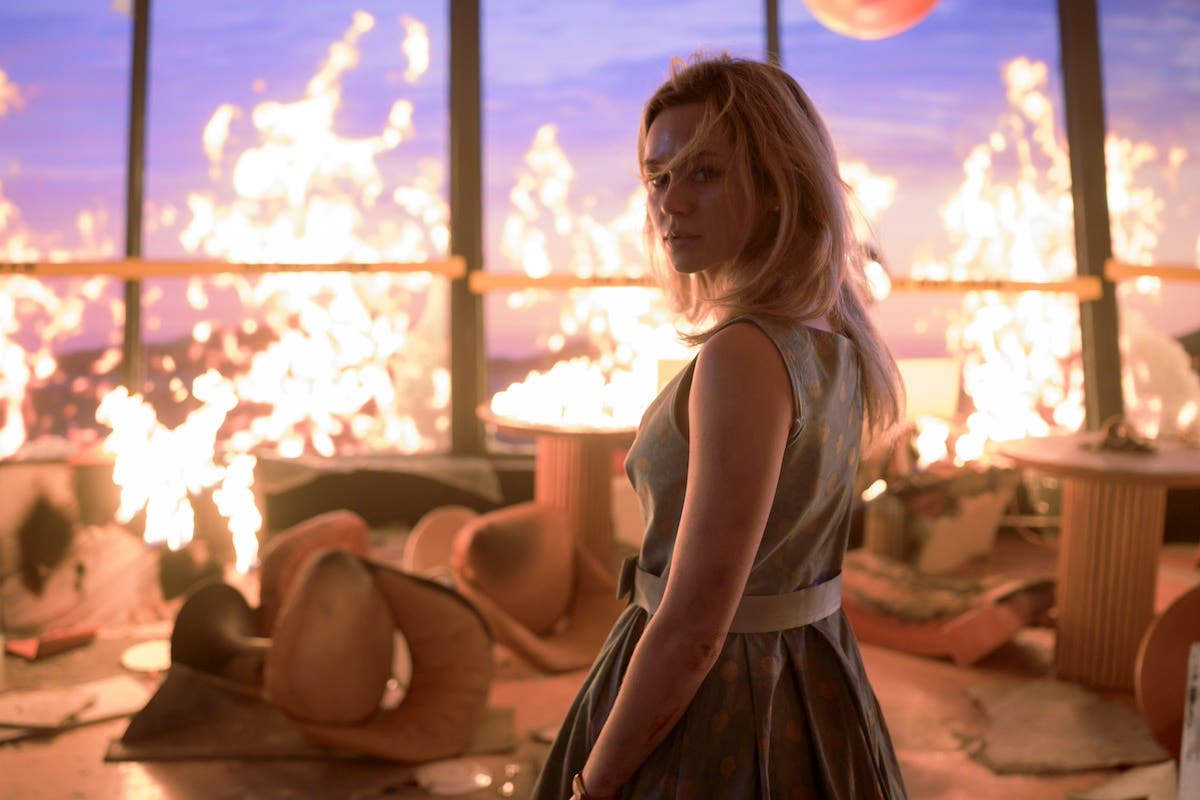
Jay Kelly was released in 2025. The country was immersed in whatever the Trump Administration will be called in the future. But "good times" it ain’t. Inflation was high, AI was terrifying us, and everything felt hard, scary, and uncertain. So Netflix paid for a movie about an aging, rich movie star, complaining about what a crap Dad he was to his daughters, without actually doing anything to be a better Dad to his daughters. It included his long-suffering Manager (Adam Sandler), also realizing taking care of this rich baby is a thankless job, but he keeps doing it. Was it an escape from our scary reality? Nope. Glamorous? I guess the cast and crew got to have a holiday in Italy and shoot a movie. Distraction? Nah. Deep examination of the human condition? What do you reckon? Popular? No crowd control police were called at any stage.
Why did Jay Kelly get made? Did anyone ever ask if this was a movie for the times, or the audience? Of course not. George Clooney was willing to leave his Italian home for a few days, so let’s go! This was never a film intended for us. Maybe some critics, hopefully some awards, but never us. It’s a film made by earnest filmmakers and celebrity actors who wanted to examine their own relationship with an affluent, "successful" life. You know, that thing rich people do when they sit on a pile of cash and ponder a sense of meaning. Was it worth the sacrifice they wonder from their private jet. Yep, that’s what people who can’t afford eggs, and can barely afford a Netflix subscription are crying out to see.
How did we get here? When did movies become more about the people making them, and less about the people watching them? Top Hat recognized the times, and everyone involved was determined to give regular people 90 minutes of escape. Sit in a dark room with other strangers, leave their crappy life behind, and get lost in Ginger Rogers’ feather dress, and Fred Astaire’s weird yet compelling charisma and dancing genius. Jay Kelly was singularly focused on the worries of the actor and the filmmakers. Both films were made at a time when the audience was screaming for an escape, and both show how attitudes from the movie makers and studios have evolved, in entirely the wrong direction.
I know Jay Kelly was a small, relatively arthouse movie, and Top Hat was a big studio affair, and you might think I’m being cruel comparing the two. Maybe. But George Clooney was in Jay Kelly. We love George. He’s a Fred Astaire level crowd pleaser in a time when crowds want to be pleased. But instead, he made a self-indulgent, lazy, award chasing choice, and he was given permission.
I wish I could call for a revolution. A regime change without bombings and killings. Maybe a tad less raging nepotism (‘Want another studio son? One’s not enough? Of course you can!’) and a renewed focus on regular folks. Maybe also less film critics who love the sound of their own film knowledge and pompously indulge the Jay Kelly’s.
I wish taking to the streets to demand better content was an option, but who has the time? I wish we could vote with our money, and cancel our streaming subscriptions, but we all need a break from this reality. All we can really do is support the movies that provide that escape, and ignore the shamefully cynical cash grabs, or navel gazing dross that’s really just a paid vacation in Italy and does not have an answer to the "why" question that includes the word "audience". I’m holding onto hope. We still love to get out of the house and escape. Maybe someday soon, the one or two remaining studios in Hollywood/Atlanta will figure that out.
In the meantime, Top Hat is available to rent for $3.99 USD. It’s a lovely glimpse at depression era movie magic, and a reminder that when they put their minds to it, movie studios can sweep us away from our worrisome daily lives. They just need to put their minds to it.

Tim Schildberger is an experienced writer, script coach, author and co-founder of Write LA - an annual screenwriting competition which gets winning writers read by Literary Managers. Tim works with writers to improve their emotional connection with their stories and characters - a crucial element needed to launch industry careers. He’s also a journalist, one of the key members of ‘Borat’, creator of ‘Lawrence of America' for the Travel Channel, host of the podcast ‘Script, Mate!’, and author of popular screenwriting book ‘The Audience and You’ available on Amazon and wherever good books are sold. In his spare time, Tim is a parent, tennis player, and fan of Australian Rules Football. For more of Tim's tips and opinions - Instagram: @writela