

“Wuthering Heights” Review
Gorgeous, Glossy, and Terrified of Its Own Darkness
Emerald Fennell’s "Wuthering Heights" arrives with a tagline that says it all: Come undone. And to be fair, that is exactly what this film wants. It wants to be feverish. It wants to be erotic. It wants to be the kind of grand, toxic love story that leaves you feeling wrung out and breathless. It wants to feel like obsession rendered in candlelight.
But here is the problem. It wants to feel like Wuthering Heights without actually being Wuthering Heights.
And that is not a minor issue. That is the whole movie.
I am not a purist about adaptations. I truly am not. Change things. Reinterpret. Go wild. But this version of Wuthering Heights feels less like an adaptation and more like someone skim read the blurb, soaked in the aesthetic for a while, then decided Emily Brontë was simply being too intense and needed calming down. It is very surface level, almost hollow at times, and for a story that should feel like a bruise that never heals, it strangely feels like a beautifully packaged product designed to be consumed and forgotten.
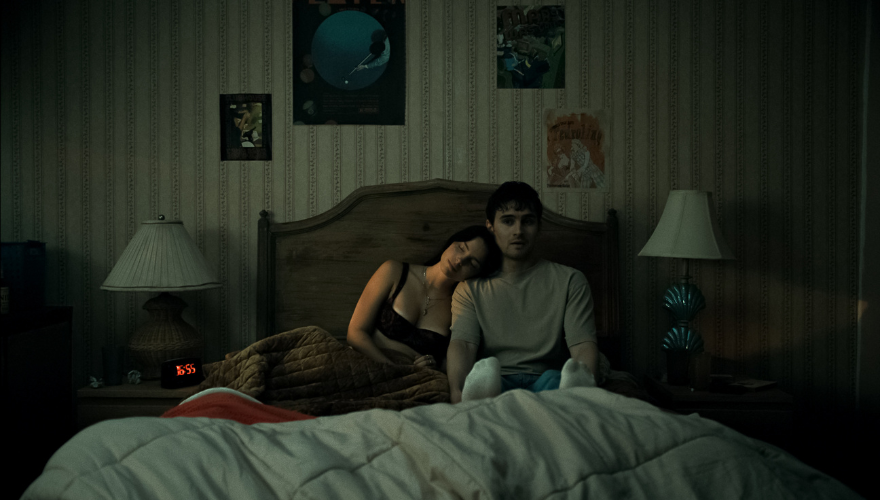
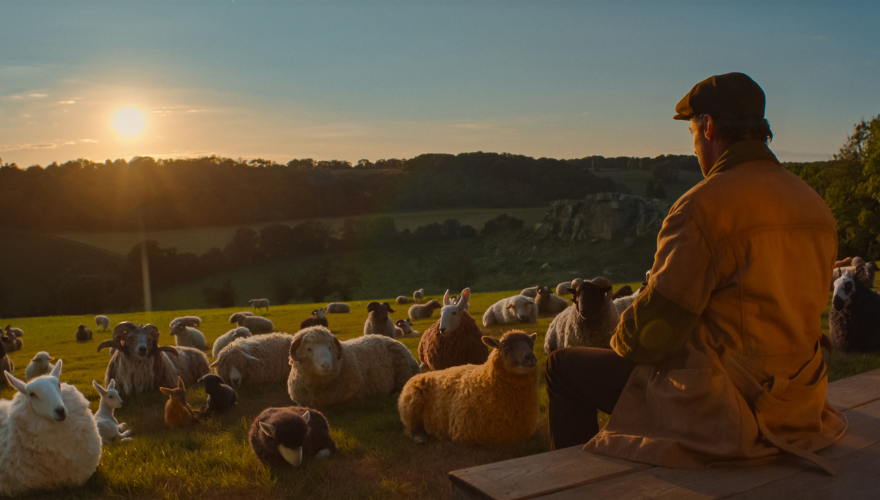
If you want a version of Wuthering Heights that is not a faithful adaptation of the novel but has gorgeous cinematography, production design, and costumes, then yes, watch this one. That part is undeniable. The film is lavish, expensive, and striking to look at, with Emerald Fennell working alongside cinematographer Linus Sandgren, production designer Suzie Davies, and costume designer Jacqueline Durran to create a world of romantic rot that is almost distractingly pretty.
But if you want a version that does not whitewash Heathcliff, then watch Andrea Arnold’s 2011 adaptation. And if you want a version that includes every aspect of the story, doesn’t whitewash Heathcliff, and actually feels true to Brontë’s vision, then read the book.
Because Fennell’s film, for all its glossy confidence, is fundamentally afraid of what Brontë actually wrote.
The biggest casualty is Heathcliff. Casting Jacob Elordi turns him into a sad eyed dreamboat who looks like he should be selling aftershave, not dedicating his life to revenge. That is not a knock on Elordi, who has been doing genuinely strong work recently. It is a knock on the framing. Heathcliff is meant to be frightening. He is a victim who becomes monstrous. Here, he mostly looks damp and misunderstood.
The novel’s racial otherness, outsider status, and social cruelty are not just background details. They are the fuel of the entire tragedy. Removing that in favor of a Valentine’s Day release ready hunk is unbelievably weak. When Heathcliff leaves and returns wealthy, it plays less like a long con fueled by hatred and more like a romcom makeover montage. He is not plotting destruction. He has simply glow upped.
That decision alone drains the story of its venom. Wuthering Heights is not a romance. It is Gothic horror. It is a story about emotional violence, obsession, cruelty, and class rage. It is feral. This film is soft. Polite. Tasteful. It treats one of the angriest books ever written like a doomed love story you might half watch while scrolling.
Margot Robbie does what she can, but Catherine Earnshaw has been flattened into a spiky romantic heroine rather than the selfish, volatile nightmare she is supposed to be. In the book, she is exhausting. Here, she is difficult in a marketable way. Robbie brings commitment and heat, and there are moments where she nearly breaks through the material and gives Cathy the ugliness she deserves, but the writing rarely lets her. The relationship between Cathy and Heathcliff ends up feeling thin, like the idea of doomed love rather than the actual mess of it.
Their chemistry is real, and in a vacuum, they are compelling. The sex scenes are staged with confidence, and Fennell clearly understands how to build an intoxicating atmosphere. Subtlety and nuance are not invited here. This is loud, steamy, and heightened. It is the aesthetics of a 2000s music video stretched into a period epic.
Anthony Willis’ score is one of the film’s most effective emotional tools, and the original songs composed for the film by Charli XCX are genuinely electric. It is easily the best part of the experience, giving the film a pulse it otherwise struggles to earn.
But style is not substance. And the deeper issue is tone. Or rather, the complete lack of the one Brontë wrote. Fennell also ducks every uncomfortable thing the novel wrestles with. Race. Colonial anxiety. Class resentment. Abuse presented as love. The result is a story that becomes about passion and longing instead of a brutal exploration of power and inheritance. It is not challenging. It is tidy.
There are moments that try to shock. Sexual imagery. Provocations. The kind of gross little interludes Fennell loves to sprinkle into her work. But they are played more for spectacle than dread. Nothing here feels dangerous. Nothing lingers. Even the supposed wildness feels carefully curated, like the film is desperate to appear transgressive while never risking genuine discomfort.
That is what makes the entire thing so frustrating. It is not that Fennell made changes. It is that she seems to have wildly misread the novel as a swoony teenager, then built a whole cinematic vision around that misunderstanding. Recasting Cathy and Heathcliff as doomed lovers locked in mutual acrimonious kink is certainly memeable, but this movie is not even momentarily discomfiting enough to justify it.
Visually, it is stunning. But when you dress Wuthering Heights like a gothic perfume advert, you have missed the point. The irony is that if this film actually captured what it feels like to read Wuthering Heights, people would hate it. It would disturb them. It would not be date-night friendly. In trying to make it palatable, it drains it of everything that made it endure.
I am sure there is an audience for this. People who will love its bold, colorful approach, and honestly, I understand why. It is messy, overlong, occasionally gorgeous, occasionally emotional. It is toxic, horny, ridiculous, and over the top. It is "Wuthering Heights" in quotation marks for a reason.
But if I am being honest, I walked away wishing I had watched an actual adaptation of Emily Brontë’s novel, because this is not that. This is a film in love with the idea of the story, but terrified of its ugliness, its cruelty, and its true rage. It is handsome, hollow, and ultimately too polished for a tale that should leave you feeling scorched. Emily Brontë remains undefeated.
Wuthering Heights is now in Theaters.