

‘Is This Thing On?’ Review
A Tender and Funny Look at Reinvention When Life Refuses to Stay the Same
Bradley Cooper’s third feature arrives with a quieter energy than the films that came before it, yet there is something instantly welcoming about this modest drama about love, art, and the strange paths people take when they hit the middle chapters of their lives. Is This Thing On? is not a loud movie. It is not built on the musical spectacle of A Star Is Born or the restless ambition that shaped Maestro. Instead, Cooper aims for something smaller and gentler. He explores the messy emotional landscape of a marriage that is ending while a family tries to figure out how to remain a family. In the process he creates a film that feels lived in, sometimes loose to the point of wobbling, but always anchored in a warm and sincere curiosity about people who are trying their best.
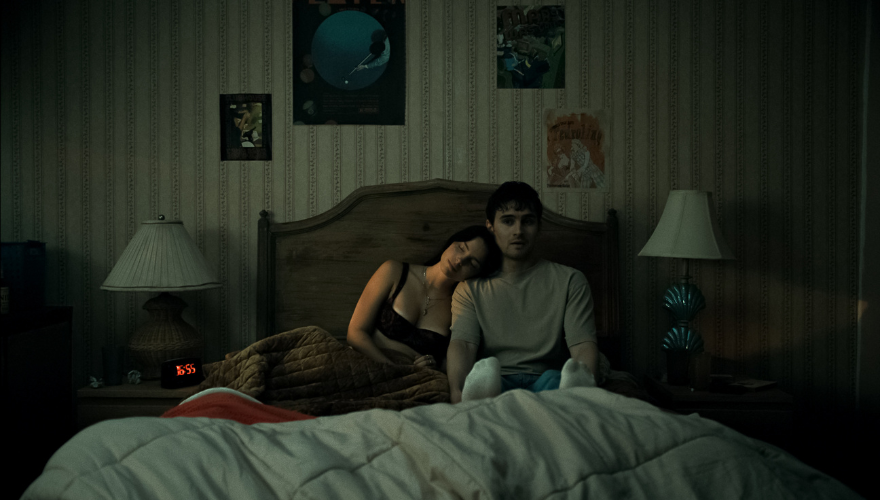
The story centers on Alex, played by Will Arnett in a performance that will likely surprise even fans who already admired his range. Alex is a man drifting through the aftershocks of a separation from Tess, played with quiet strength and bruised hope by Laura Dern. Their marriage is not exploding in a storm of resentment. It is dissolving in slow motion. They still care about one another, but the partnership that once held them together has thinned. The film opens with the two of them navigating the early confusion of separation. They are still raising kids, still sharing the everyday rituals that once defined their life, but neither knows quite how to speak to the other anymore.
This is where Cooper makes one of his most interesting choices as a director. He avoids melodrama. He avoids clear villains. Instead he leans into the discomfort of two people trying to articulate feelings that they have ignored for far too long. There is a tenderness in the way the film observes them, even during their most awkward encounters. Cooper allows the audience to sit with small moments, sometimes frustrating ones, without trying to force a dramatic point. It creates a feeling of real life unfolding on screen, even when the structure of the story occasionally leans toward the sentimental.
The core twist of the film is not really a twist at all. Alex stumbles into the New York comedy scene. The movie is not a deep dive into stand-up culture, and that may disappoint some viewers hoping for a more grounded exploration of the craft. Surprisingly little stage time is actually devoted to comedy. Instead Cooper uses the setting as a space for Alex to confront his own interior world. The stand-up is not about punchlines. It is about expression. It is about speaking truths aloud that he never shared with Tess during their marriage. The scenes where Arnett performs are shot with a loose energy that sometimes works beautifully and other times distracts. The camera circles him in close quarters, sometimes too close, but the intention is clear. Cooper wants us inside Alex’s mind while he searches for clarity in front of strangers.
Still, the film’s most glaring flaw emerges from the same area. We are told why Tess and Alex drifted apart, but we rarely feel that history in our bones. Their separation is described but not fully dramatized. Without a deeper understanding of the dynamic that shaped their marriage, some of the emotional beats do not land with the force they deserve. Dern is extraordinary in the role, bringing depth to a character who is not always given enough interiority on the page. She radiates empathy and frustration in equal measure, but the film remains more committed to Alex’s point of view. It is a story about a middle-aged man reclaiming a sense of self, but it would have been stronger if Tess had been allowed to take a clearer journey of her own.
Yet even with its narrative unevenness, the film pulses with an emotional honesty that is difficult to deny. Cooper has always possessed a certain theater kid spirit in his directing. It is earnest and open-hearted. It is occasionally chaotic. And here he channels that energy into something that feels like a love letter to James L. Brooks and the intimate character dramas of the seventies. There is a throwback quality to the framing, aided by Matthew Libatique who shoots New York in a boxy square format that recalls an older era of downtown cinema. Cooper clearly loves this city and captures both the restless energy of the clubs and the still tension of the suburbs. The contrast between the two worlds adds a subtle texture to the film, one that deepens the story without drawing attention to itself.
And then there is Bradley Cooper as Balls. Yes, Balls. In a movie built on quiet emotional reckoning, Cooper casts himself as a man named Balls and somehow turns him into the most delightful part of the entire film. Balls is Alex’s best friend, a slightly unhinged wanderer who drifts through life with an easy grin and a disarming innocence that hides his own unresolved troubles. Cooper brings a buoyant charm to the role. Every scene he appears in bursts to life with fresh energy. It is the kind of performance that works because it is both comedic and strangely sincere. It is also a playful reminder that Cooper does not take himself nearly as seriously as some online commentary would suggest.
What ultimately elevates Is This Thing On? is its understanding that art can be both a mirror and a hiding place. Art can force you to confront the confusion that you have spent years ignoring. It can give shape to the feelings you never learned to articulate. The film captures that idea with a gentle touch. Alex does not become a comedy genius. He does not heal himself through performance. Instead he begins to recognize the emotional distance he created in his marriage, and he starts to fill the empty spaces within himself. That journey is small but meaningful. And it is filmed with such care that it eventually wins you over.
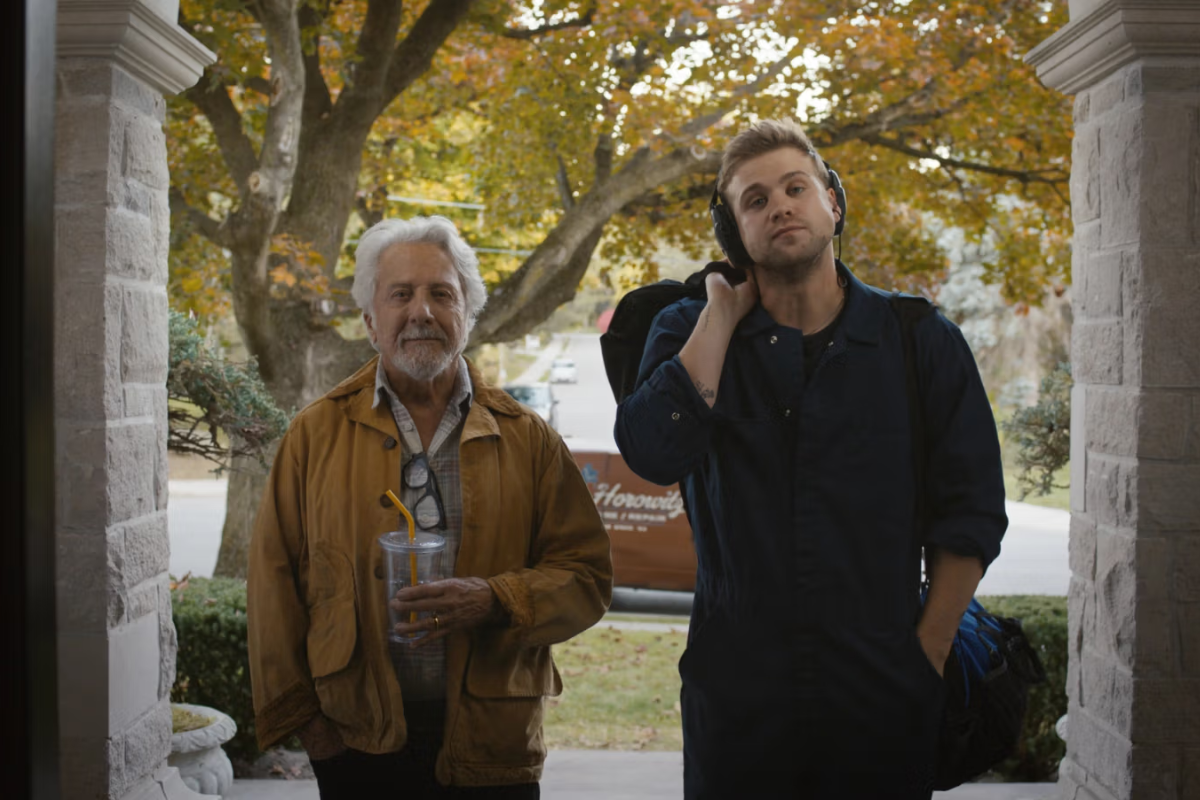
There is also something touching about the way the film explores the friendships that surround Alex. His children hold him accountable with a surprising emotional wisdom. His parents, played by Ciarán Hinds and the always magnetic Christine Ebersole as the mother figure who shares genuine affection for Tess, bring humor and heart to the margins of the story. These family scenes feel lived in. They allow the film to breathe. And they highlight one of Cooper’s greatest strengths as a director. He draws natural performances from everyone on screen. Nothing feels forced. Nothing feels theatrical. Even when the structure falters, the humanity remains.
The final stretch of the film is likely to divide audiences. Some will find it warm and hopeful. Others will find it rushed and perhaps too tidy. The sudden arrival of a wildly unexpected cameo gives the scene a jolt of excitement, and the movie leans toward a note of sweetness that might frustrate viewers who wanted a messier emotional conclusion. However, it maintains the film’s larger theme. Life does not always deliver clean answers. Sometimes people simply make the choice to begin again.
Despite its imperfections, I thoroughly enjoyed Is This Thing On? and suspect it will grow on me as time passes. It is gentle, kind, and emotionally sincere. It contains a career best performance from Will Arnett, a beautifully lived in turn from Laura Dern, some lovely touches from a supporting cast that knows exactly what movie it is in, and a disarmingly hilarious performance from Cooper that proves he can steal a scene even as a man named Balls.
It is a small film, but it feels like a meaningful step for Cooper as a filmmaker. More restrained, more intimate, more grounded in character than spectacle. And even with its loose structure, its flaws, and its reluctance to dig deeper into the marriage at its core, it left me with a warm ache. It reminded me that art is often less about brilliance and more about connection. It reminded me that starting over does not always look grand or triumphant. Sometimes it looks like a man stepping onstage at a tiny club in the village and saying the things he should have said long ago.
Is This Thing On? hits Theaters on December 19, 2025.